
How I Plan a Stress-Free Holiday (Step by Step)
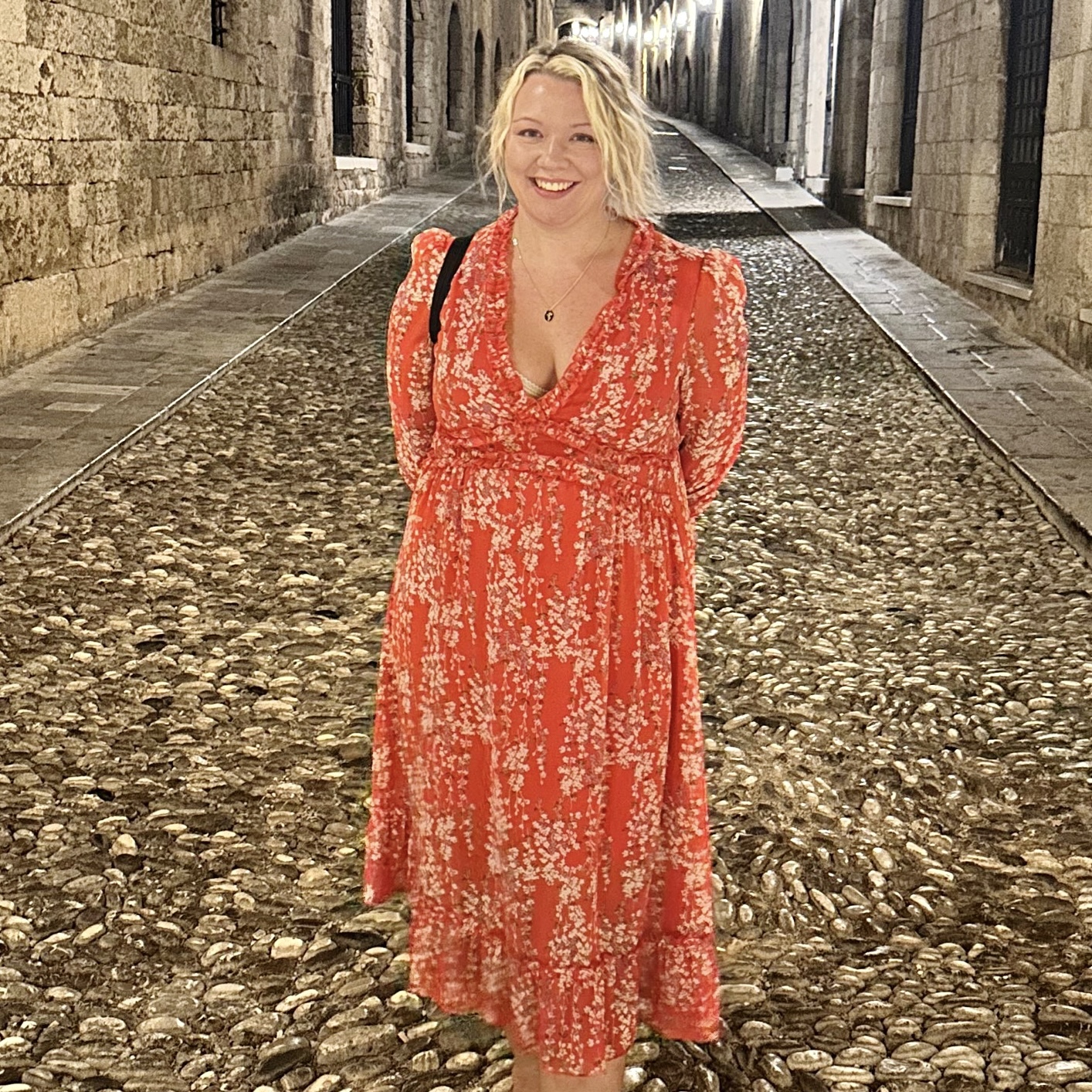
There’s a reason I love planning travel.
It’s not just about picking a hotel or finding a flight. It’s about creating a trip that feels easy before you even leave home.
When I plan my own holidays, I follow the same process I use for my clients. It keeps things calm, considered and completely tailored.
Here’s exactly how I do it.
1. I Start With the Dates
Before I even think about destinations, I look at time.
Do I have a long weekend free?
Is this a 4–5 night escape?
Or do I have a full week (or more)?
Time dictates everything.
A three-night break needs simplicity. A longer trip allows for adventure, multi-centre stays or a little more travel time.
The biggest mistake people make? Picking a destination first and then trying to squeeze it into the wrong timeframe.
2. I Decide the “Vibe” (Budget vs. Luxury)
Next, I ask myself:
Am I going cheap and cheerful?
Or can I invest a little more in something elevated?
Do I want boutique charm or five-star ease?
Is this about value or indulgence?
This step matters more than people realise.
A £500 long weekend and a £2,000 luxury escape require completely different research strategies. Being honest about budget at the beginning prevents overwhelm later.
3. I Clarify What I Actually Want
Sometimes destination matters.Sometimes it really doesn’t.
I’ll ask:
Do I just want winter sun?
Do I want culture and good food?
Do I want total relaxation?
Do I want somewhere I’ve never been before?
If it’s January and I just need warmth and light, I don’t fixate on one specific place. I focus on “sun within 4 hours” and see what fits.
Flexibility creates better options.
4. If It’s Budget-Focused, I Start With Flights
If I’m planning something cost-conscious, I head to Skyscanner and search by:
My chosen dates
Departing airport
“Everywhere” as the destination
This instantly shows me where I can fly for the best value.
From there I shortlist 3–4 realistic options and check:
Flight times (no 5am outbound for a 2-night trip)
Luggage costs
Total travel time door to door
Cheap flights aren’t cheap if they steal half your holiday.
5. I Consider Airport-to-Hotel Travel Time
This is where a lot of people don’t think strategically.
If it’s a short trip, I want:
Under 1 hour transfer
Easy public transport or straightforward taxi
Minimal faff
If I’ve got longer, I’m happy to:
Hire a car
Travel 2–3 hours to somewhere more remote
Do a multi-stop itinerary
The length of trip determines how adventurous I can be with logistics.
6. I Narrow to 1–2 Strong Options
I don’t leave 12 tabs open.
I narrow it down intentionally.
Then I compare:
Total trip cost (not just flights)
Accommodation quality
Location
Ease
Weather for those dates
This is where experience matters. I know what will feel seamless versus what will feel stressful.
7. I Choose Accommodation With Purpose
Once flights are clear, I choose the stay carefully.
I look at:
Walkability
Atmosphere
Reviews that mention service
Room category (worth upgrading?)
Cancellation flexibility
Accommodation can make or break a short trip.
The cheapest option is rarely the best value.
8. I Pre-Plan Just Enough
I don’t overschedule.
But I will:
Book airport transfers if needed
Pre-book one or two key restaurants
Check opening days for attractions
Confirm luggage rules
Screenshot boarding passes and bookings
Future me always thanks present me.
9. I Build in Margin
The final (and most underrated) step:
Margin.
Not landing at midnight before work the next day
Not squeezing five activities into one afternoon
Not cutting connections too fine
Stress-free travel is about space.
Why This Matters
Planning a holiday isn’t difficult.
Planning a holiday that feels effortless, good value, well-timed and aligned to your energy? That’s a skill.
Most people:
Start with a random destination
Fall down a Google rabbit hole
Get overwhelmed
Panic book something
Hope for the best
I reverse engineer the experience.
Dates. Budget. Intention. Logistics. Then destination.
It’s methodical, but it’s also creative.
And when I plan for clients, I take it even further:
I know which hotels consistently deliver
I know which rooms are worth the upgrade
I know when to pivot destinations for better value
I know how to spot friction before it becomes a problem
That’s what makes it stress-free.
If you love travel but hate the planning, that’s where I come in.
Roam More. Live More.

Comments